North Korean Art
Artists in the Collection
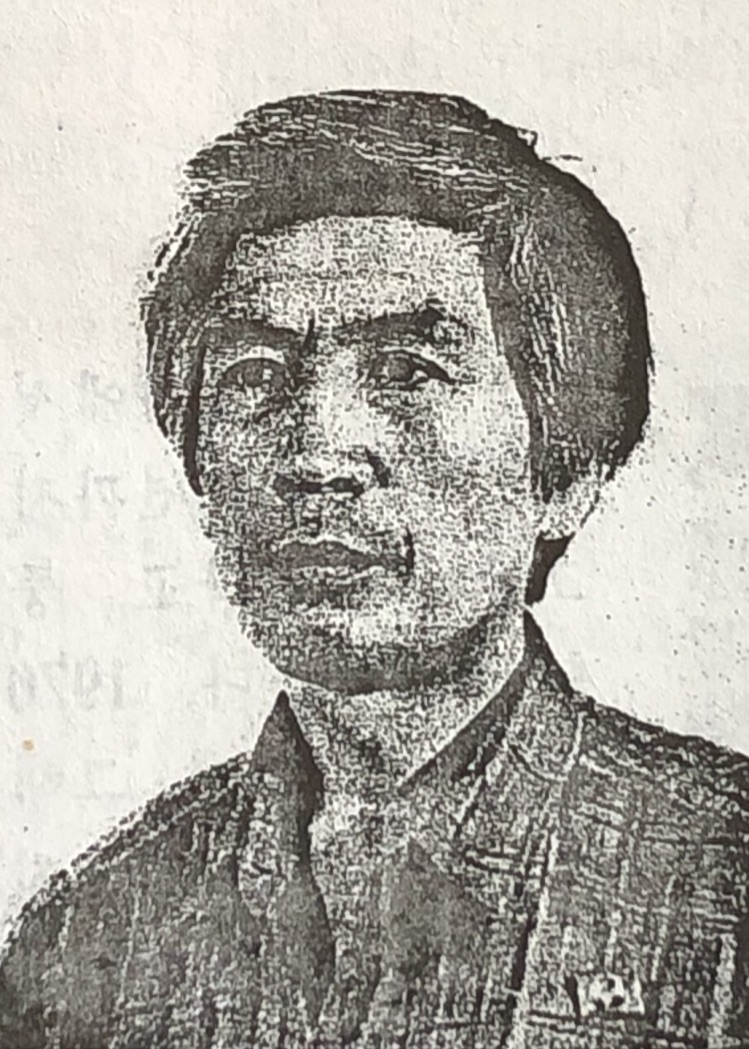
Kang Sin-beom
People's Artist
Born in Seoul in November 1944; eldest son of Kang Ho, a painter who moved to North Korea.
Studied in the specialist program at Pyongyang University of Fine Arts from 1959 to 1966 and graduated.
After working in the Chosonhwa group at the Central Art Studio, he began to gain recognition in the Chosonhwa group at Mansudae Art Studio.
Awarded the title of Merited Artist in 1992.
As the eldest son of the painter Kang Ho, who moved to North Korea, he was influenced by his father.
From the mid-to-late 1970s, his achievements in thematic painting gradually established him as an artist with an individual creative voice.
Some of his works received high praise and awards at national art exhibitions, and many entered the collection of the Korean Art Museum.
Accounts from North Korea describe him as earnest by nature, avoiding displays of technical virtuosity and relying on sustained work rather than chance success.
His younger siblings also studied at Pyongyang University of Fine Arts: Kang Su-jin became a designer and Kang Sin-il an artist, making art a family pursuit.
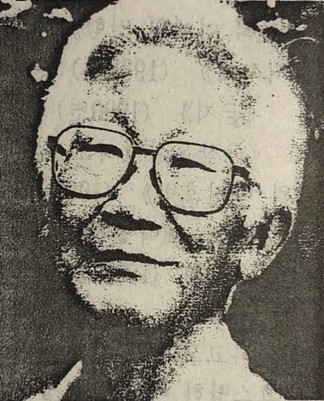
Kim Ki-man
People's Artist
Born in Jongno, Seoul, in February 1929.
Younger brother of the painter Kim Ki-chang, whose influence led him to draw from an early age.
Joined the People's Volunteer Army during the Korean War and served until 1955. In 1956, he entered the Chosonhwa department at Pyongyang University of Fine Arts for formal art training.
Taught at Pyongyang University of Fine Arts from 1960 to 1965, headed the art department of the Korean Folk Museum until 1982, and later led a studio at the Railway Art Studio.
After his mother died when he was four, he grew up in the care of his eldest brother, Kim Ki-chang. Watching his brother paint inspired his own aspirations in art.
While attending Gyeonggi Public High School in 1949, he studied with Ri Hae-song, Ri Sun-jong and Kil Jin-sop—a professor at Seoul National University before the war—and submitted work to exhibitions.
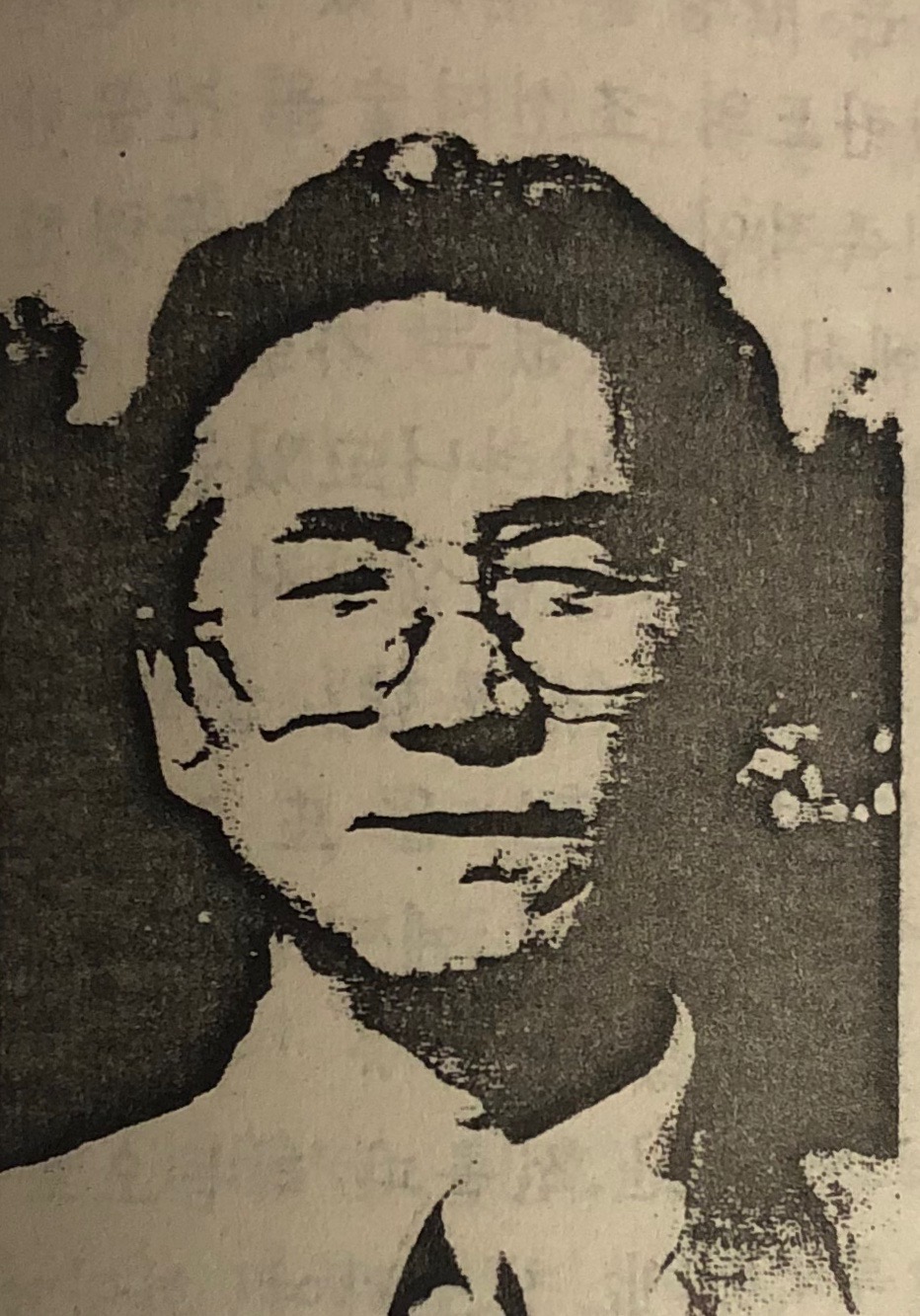
Ro Son-ju
People's Artist
February 1937–July 1997.
Graduated from the Chosonhwa department of Pyongyang University of Fine Arts in 1960.
Taught art at Sunchon Teachers College until 1967.
Worked in Nampo as an artist in the Korean Artists' Union and served as its
Nampo City Committee chair.
Ro Son-ju was an established Chosonhwa painter who drew on a thorough grounding in traditional techniques to give figure paintings, landscapes and other subjects a distinctly Korean feeling.
His style was influential in Nampo, where a number of Chosonhwa painters adopted related approaches.
He rejected needless exaggeration and ornament, seeking to reveal the beauty of his subjects through faithful observation of their actual appearance.
His works have consequently been praised for their warmth, familiarity and refined feeling.
He developed his own way of depicting the shapes and folds of rocky mountains, combining seemingly rough passages into a harmonious whole.
He was particularly skilled at rendering trees and pavilions. His landscape painting reached maturity after the 1980s, and his works appeared regularly in exhibitions abroad.
He became known as a talented painter in China, Japan and other countries.
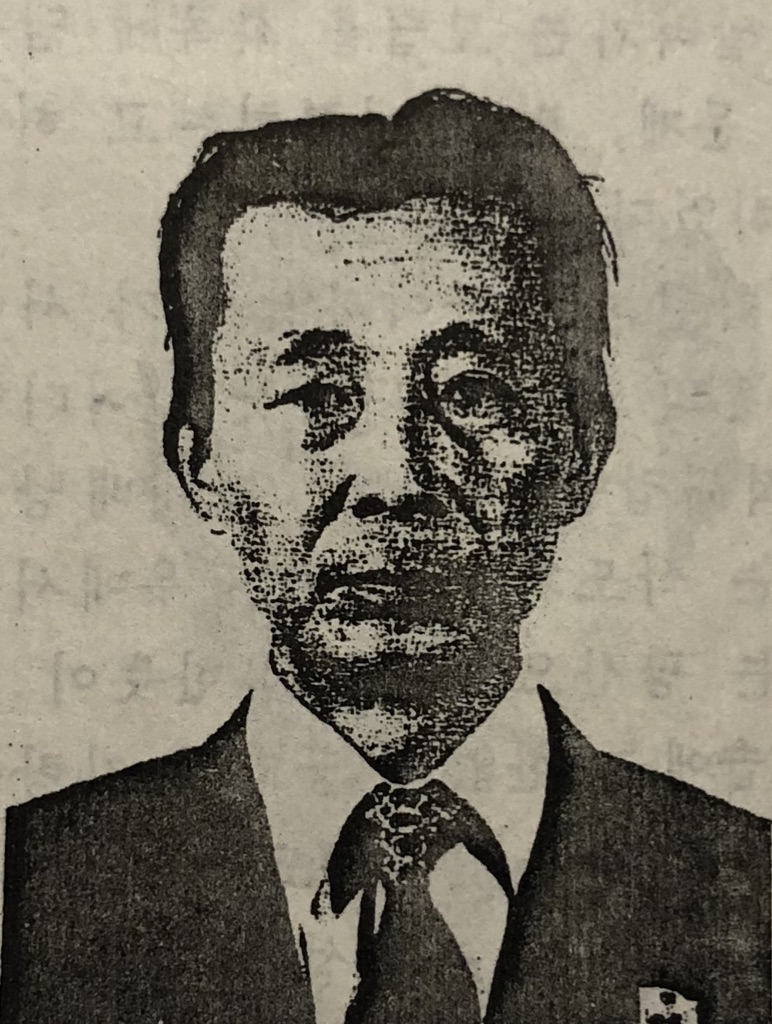
Han Myong-ryol
People's Artist; senior painter at Songhwa Art Institute
Born in Iksan, North Jeolla Province, in February 1926.
Entered the art department at Hongik University in 1949, after Korea's liberation.
Moved to North Korea after the Korean War and worked as an artist at an enamelware factory in Sinuiju.
Worked at the North Pyongan Provincial Art Studio from 1976.
Known for quiet, gentle brushwork, he excelled in the “boneless” technique and mainly painted flowers and birds in that style.
A member of Songhwa Art Institute, he exhibited in its shows.
Awarded the title of Merited Artist in 1988.
Orphaned young, he endured a difficult childhood. He went to China with his brother, completed primary school and repaired sacks at a flour mill in Harbin. After liberation, he returned home and did odd jobs at a sign shop and a furniture factory before entering Hongik University's art department.
During the Korean War, he moved north, where he worked as an artist and produced many thematic paintings.
In later years he concentrated on boneless flower-and-bird painting, becoming known for his contribution to that tradition in North Korea.
Hwang Byong-ho
Merited Artist
Born in Pyongyang in February 1942.
Graduated from the Chosonhwa department of Pyongyang University of Fine Arts in 1968.
Worked as an artist at the Central Art Studio until 1973.
Awarded the title of Merited Artist in 1992.
Hwang Byong-ho became known for the evocative atmosphere of his landscapes.
He succeeded in rendering large works with great delicacy using traditional gold-pigment techniques. The subtle harmony of gold tones lends his paintings distinction.
During his time at Mansudae Art Studio, he submitted many works to national and specialized exhibitions. More than ten were displayed as collection pieces at the Korean Art Museum.
Ri Jong-won
Merited Artist
Born in North Hwanghae Province in November 1934.
After graduating from Pyongyang University of Fine Arts in 1963, became a practising artist in the Korean Artists' Union.
Worked as an artist at the Central Art Studio.
Headed the mural group at Mansudae Art Studio from 1970 to 1988.
Created murals for six Pyongyang Metro stations.
From 1988, worked as a department chair and professor at Pyongyang University of Fine Arts while continuing his own art.
An early work was the mural “Sunrise” for the central hall of the Pyongyang Students and Children's Palace.
In the 1970s, while organizing and directing murals at Mansudae Art Studio, Ri Jong-won became recognized as a leading figure in a new phase of North Korean mural art.
He organized and directed murals for major public buildings, including the People's Palace of Culture, Kim Il Sung Stadium, the April 25 House of Culture and Mansudae Art Theatre.
Kim Sang-hun
People's Artist
Born in North Pyongan Province in March 1933.
Graduated from Pyongyang University of Fine Arts in 1961.
After graduation, headed the university's theatre and film art program, training students and contributing to numerous feature films.
Focused on painting from the 1980s onward.
Held a solo exhibition of more than 130 works at the International House of Culture in 1991.
Exhibited more than 40 works in Yanbian, China, in 1996.
Awarded the title of People's Artist in 1997.
Kim Sang-hun worked both as a painter and as a film art director.
He taught theatre and film art for many years and participated in numerous feature films, turning increasingly to painting after the 1980s.
His oil painting “Mansudae Hill in July 1994” was praised personally by Kim Jong Il as a profound work and an outstanding achievement.
As an educator, he wrote or edited teaching materials including “Film Set Design,” “A Sourcebook of Film Stage Art,” “Painting Studies” and “Film Art.”
Ku Bon-yong
People's Artist
Born in Seoul in October 1922.
Graduated from Songdo Higher Common School in Kaesong in 1941.
Left Japan's Imperial Art School in 1943, then taught at Kaesong Public Middle School and Seoul Technical Middle School, while working with organizations including the Seoul branch of the South Korean Artists' Union.
Moved to North Korea during the Korean War and spent ten years teaching art at the Pyongyang Handicraft Research Institute, training specialists in handicrafts.
Appointed art committee chair for North Pyongan Province in 1963.
Member of the Central Committee of the Korean Artists' Union from 1970 to 1984.
Inspired by his elder brother Ku Bon-sik, he began drawing as a child and won awards at two art exhibitions while in middle school.
He frequently visited the noted painter Oh Ji-ho for lessons, broadening his knowledge of art.
From 1982 until his final years, Ku Bon-yong continued working at the North Pyongan Provincial Art Studio. He took a strong interest in the province's artistic development, organizing and directing creative projects and art education activities.
Kim Chang-gil
People's Artist
Born in South Hamgyong Province in September 1942.
Graduated from Pyongyang University of Fine Arts in 1968.
Worked in the oil-painting group at Mansudae Art Studio for more than thirty years after graduation.
Awarded the title of Merited Artist in 1985.
Awarded the title of People's Artist in 1995.
Initially worked mainly on murals, turning primarily to oil painting from the 1980s.
Choe Jung-gyun
People's Artist
Born in Kaesong in December 1949.
Graduated in industrial art from Pyongyang Sangsin Higher Light Industry School in 1969.
Worked as an artist and studio head at the Ministry of Railways Art Studio after graduation.
Choe Jung-gyun received systematic instruction in the fundamentals of art two or three times a week from Kim Sok-ryong, a neighbor who headed the painting department at Pyongyang University of Fine Arts and had taught there since its founding in 1947.
Under his teacher's strict and detailed guidance, he learned to sketch with a finely sharpened E pencil, described in the source as soft, rather than the B pencil he had previously used.
During his first ten years at the Railway Art Studio, he mainly painted copies for outdoor display. Moving between oil painting, Chosonhwa and watercolor without a clear focus, he struggled to produce work that gained recognition.
Despite limited formal training, he began entering national and specialized exhibitions every year in the 1980s. Advice and encouragement from artists and critics helped him find and develop his own style.
He later gained a reputation for a sensitive eye for color and bold, rapid execution that captured the changing appearances of everyday reality.
Pyo Se-jong
People's Artist
Born in Mokpo, South Jeolla Province, in July 1929.
Graduated from Musashino Art University in Tokyo in 1954.
Taught art at Tokyo Korean Junior and Senior High School until 1962, then moved to North Korea and worked at the South Hamgyong Art Workshop and in the provincial Korean Artists' Union.
Worked in a creative studio at the South Hamgyong Provincial Art Studio from 1982.
Awarded the title of Merited Artist for his creative achievements in 1986.
Pyo Se-jong approached oil painting with seriousness, striving to depict the concrete details of life truthfully and realistically.
His work is described as honest and direct, expressing ordinary people's feelings with an accessible quality, without needless technical display or excessive formalism.
Jang Myong-ryong
People's Artist
Born in Heilongjiang Province, China, in September 1934.
His father, a slash-and-burn farmer from Kangwon Province, moved to Heilongjiang during the Japanese colonial period, and he experienced a difficult childhood there.
Moved to Jilin Province in 1946 and began studying art while attending middle school.
Entered the Lu Xun Academy of Fine Arts in northeastern China in 1952, graduated in oil painting and stayed on as a teacher.
Moved to North Korea in 1959 in accordance with his father's last wishes.
Worked as a staff artist at the State Art Publishing House until 1963, then as a practising artist in the North Pyongan branch of the Korean Artists' Union.
During this period, participated in works for the Korean Revolution Museum, the Central History Museum and the Sinchon Museum, as well as murals for the Pyongyang Metro.
Sent to Iraq as a member of a Korean artists' delegation from 1978 to 1980, creating large panoramic paintings.
Jang Myong-ryong created many imaginatively composed landscapes. His successful 1997 solo exhibition in Pyongyang drew praise from specialists for his exceptional and distinctive sense of color.
He is described as an established oil painter of considerable creative imagination, known for prolific work and tireless enthusiasm.